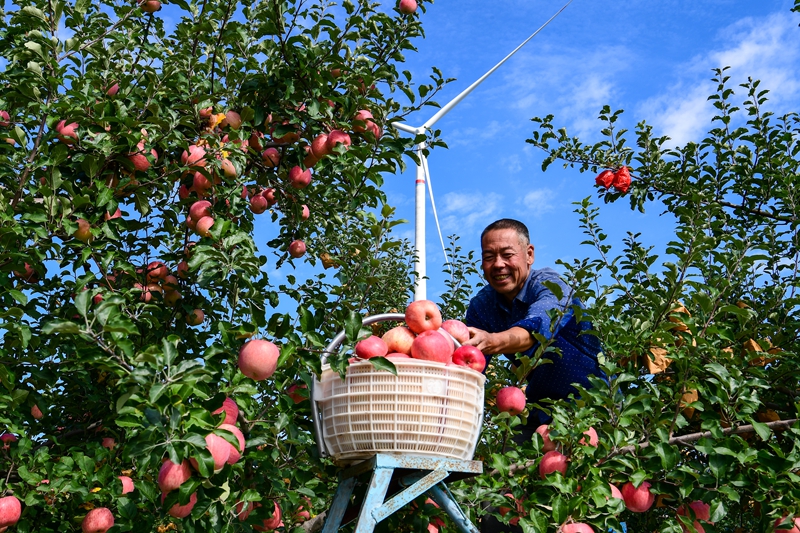
A report published on November 22, 2026, described how apple production in China’s Shaanxi and Gansu provinces has expanded beyond orchards into processing, equipment, services and exports. The two provinces have a combined 15 million mu of apple orchards—about 1 million hectares—and produce roughly 24 million tonnes a year, nearly half of China’s total, according to the report. It put the value of their combined apple industry chains at more than 200 billion yuan.
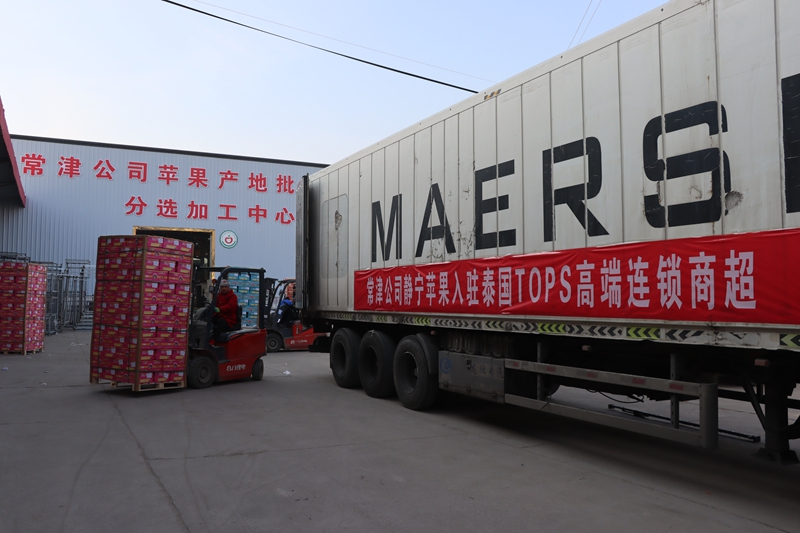
In Jingning County, Gansu, apple processor Wang Xing has focused on fruit that might otherwise sell at a discount. His parents paid for his education by growing apples, and he returned home in 2019 to start a processing business. Wang said blemished apples account for nearly 100,000 tonnes of the county’s crop. His company turns such fruit into products including apple crisps and preserves. According to Wang, a tonne bought for 2,000 yuan can be worth more than 100,000 yuan after processing into various products.
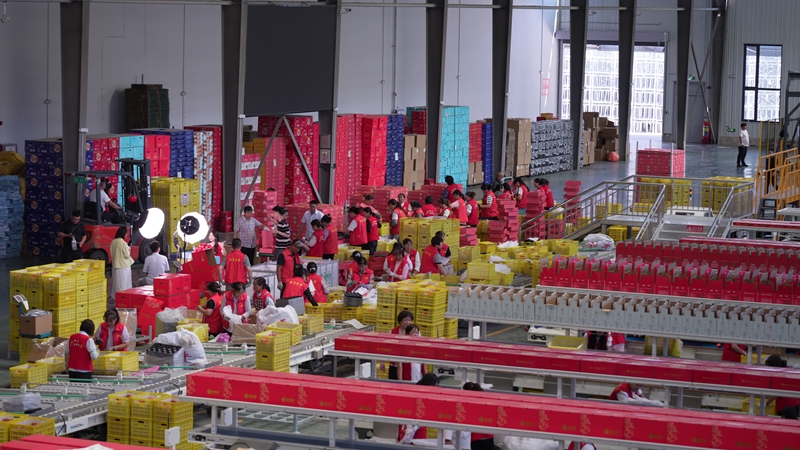
The report also highlighted changes in cultivation. At an apple research station in Luochuan, Shaanxi, breeder Ma Fengwang and his team have worked on domestically developed varieties. The report said their breeding system shortened the breeding cycle by 30%. One variety, Qin Cui, passed Shaanxi’s approval process in 2016 and is now planted on 500,000 mu.
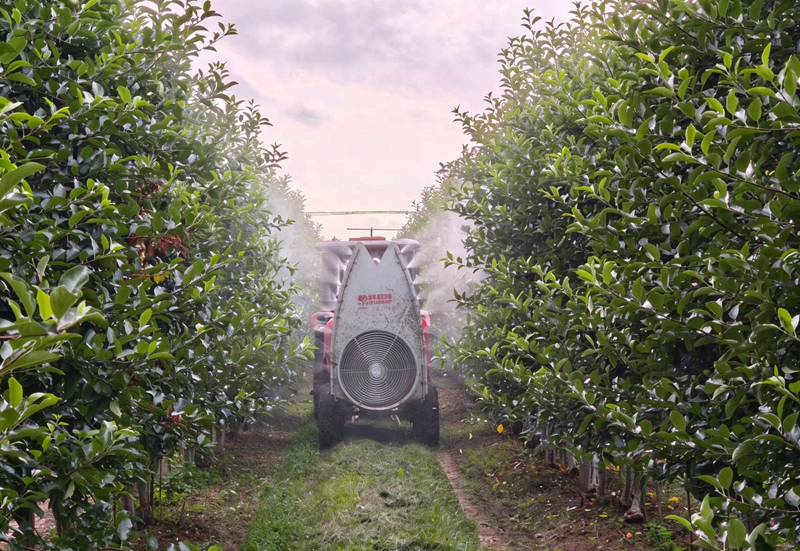
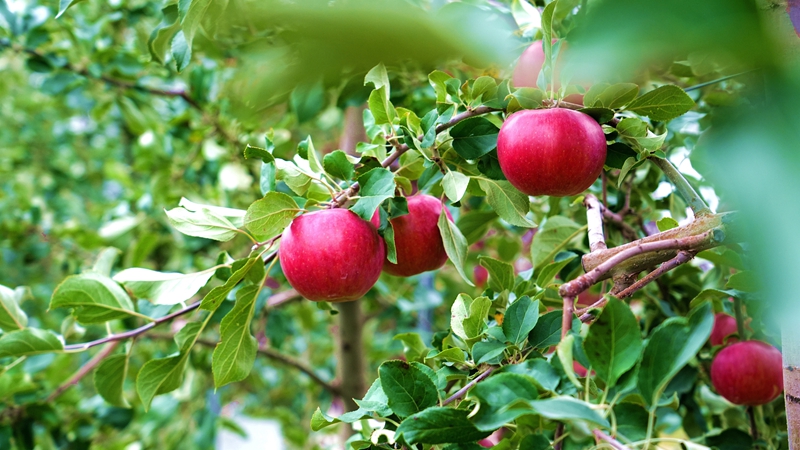
Growers still face weather risks. In Yan’an, Shaanxi, meteorological engineer Sun Zhihui said his team’s orchard temperature sensors reduced monitoring error from 5°C to 0.5°C. The report said the city had deployed 543 smart weather stations and 2,470 smaller sensors to help farmers respond to cold spells. It also described a frost-related insurance payout to one grower after damage during the previous year’s flowering season.
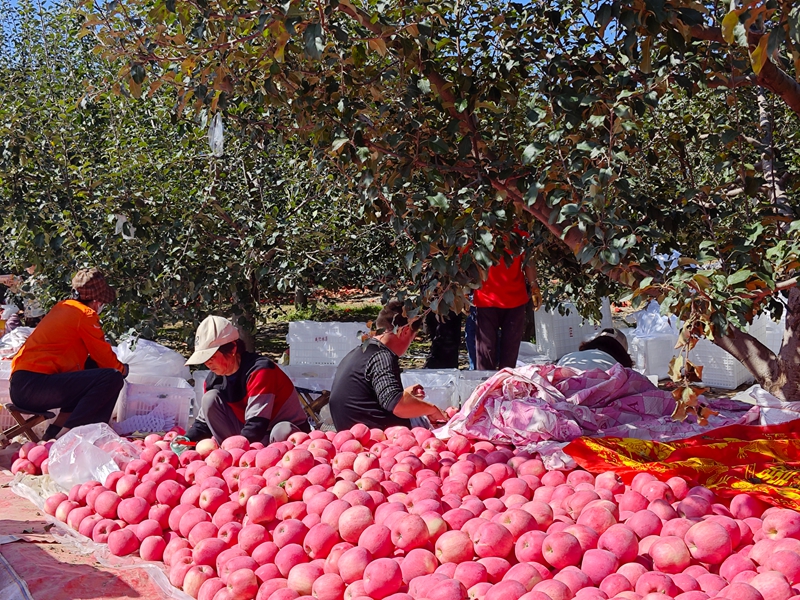
These examples illustrate different parts of the same shift: efforts to raise the value of apples through breeding, processing and services, while reducing risks for growers.