
Four Chinese government departments have jointly issued a plan to expand nursing care for older people and make childcare easier to find close to home, CCTV reported on November 27, 2026. By 2030, the plan aims for nursing-care beds to account for 73% of beds in eldercare institutions nationwide. It also seeks to raise the share of children under three enrolled in childcare by six percentage points from its 2025 level.
Nursing care in institutions and support at home
The plan calls for upgrades to 2,000 aging public eldercare institutions and sets a separate 2030 target of 70% coverage for community eldercare services and facilities. Lu Jiehua, a professor at Renmin University of China’s School of Population and Health, said the nursing-bed target addresses the needs of older people with impaired mobility or cognition who need institutional care. The community target focuses on help people can get near home, including meals and assistance with bathing, cleaning and getting around.

In Linfen, Shanxi province, work was substantially complete at 11 of the 38 public eldercare institutions undergoing upgrades in 2026. Construction continued at the other 27. A newly completed welfare service center in Linfen’s Yicheng County has 150 nursing-care beds and 50 medical beds, with more than 60% of its space reserved for residents’ activities.
The plan also calls for closer coordination between medical and eldercare services and for mobile care in mountainous, pastoral and rural areas. In Yantou, a mountain village in Lishui, Zhejiang province, care worker Chen Li visited older residents at home as temperatures fell, checking their health and helping them address heating hazards. All of the village’s more than 150 older residents were on the service list in 2026.
Childcare within 15 minutes of home
The plan supports renovations and extensions at kindergartens that can offer care for two- and three-year-olds, with the aim of bringing childcare within 15 minutes of home. It also supports extending services to rural areas where there is demand and encourages employers to offer childcare on their premises in partnership with professional providers.
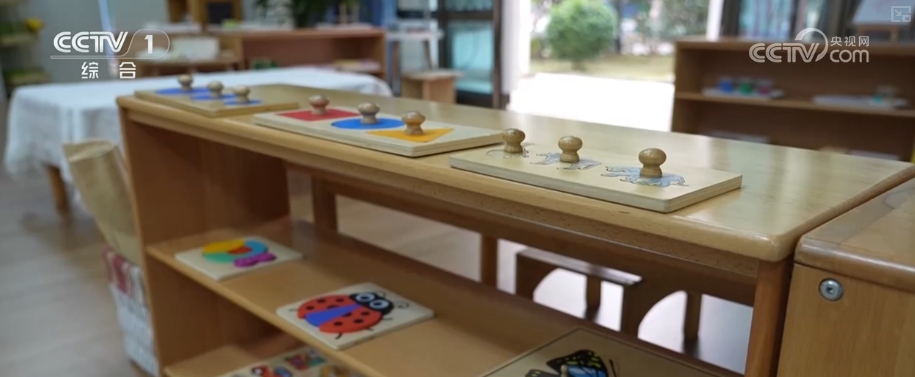
At one kindergarten in Wenzhou, Zhejiang, toy cabinets stand 40 to 60 centimeters high so toddlers can reach them. Families can choose a half-day session of three to four hours to help children adjust to separation, or a full day of seven to eight hours that includes meals and naps.

In Yingdong District of Fuyang, Anhui province, the first public comprehensive childcare center in the district had recently opened. Parents can use a mobile system to check the day’s menu and their child’s morning health record. Across the district, 57 childcare providers offered 2,432 places.
Lu said the plan identifies operating on a larger scale through branded chains as one way for childcare providers to sustain their services. In his view, government support on pricing and standards, along with preferential policies, could encourage private investment.