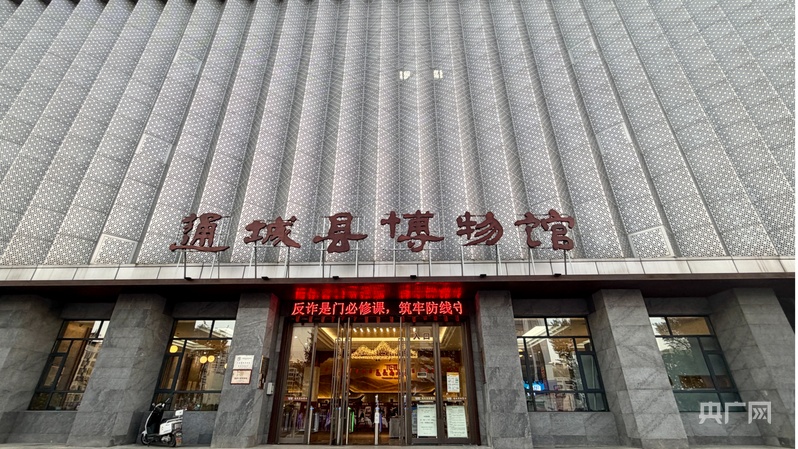
Tongcheng County Museum in Xianning, Hubei province, has removed two coin-shaped charms from display after an online post alleged they were modern reproductions. During a November 26, 2026, visit by a CNR reporter, museum director Li Jian acknowledged errors in earlier exhibit labels but said the decision to remove the objects was not a finding that they were fake.
The post questioned pieces bearing the inscriptions Zhouyuan Tongbao and Hongwu Tongbao. The museum said it had displayed them as huaqian — privately cast folk charms rather than money issued for circulation. Such charms were made across successive dynasties and worn as pendants or used to mark occasions such as building a house or the birth of a child.
Li said a former director had picked out the two pieces at a local scrap dealer around 1987 and paid the going rate for scrap copper. They went on display after the museum moved to a new building. Li argued that if the museum had misidentified them, that would point to an error in appraisal, not a deliberate attempt to pass off fakes for profit.
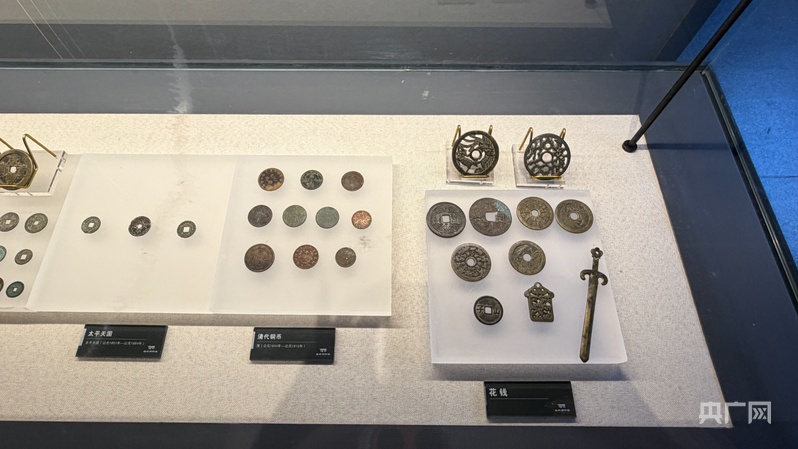
Wang Yongsheng, a former head of research and information at the China Numismatic Museum and former deputy secretary-general of the China Numismatic Society, said the pieces’ physical features suggested they might date to the Republican era rather than be recent products. Both inscriptions were popular on privately cast charms in different periods, he said, so the inscriptions alone did not establish when the pieces were made or justify calling them counterfeits.
The post also questioned the dating of exhibits. Li said its photographs showed white labels from about two years earlier, before provincial experts advised the museum to change one description from “Zhou dynasty” to “Qing-dynasty imitation of a Zhou-dynasty piece.” Li said the museum subsequently replaced the labels; the reporter saw that the labels in the gallery were uniformly black. On a separate objection to displaying Jin coins alongside Southern Song coins, the museum said it grouped them together because the two dynasties overlapped in time.
An official with the Tongcheng County culture and tourism bureau said the bureau was inviting provincial experts to examine the exhibits and advise on corrections. Their assessment of the two charms was still pending. The museum has begun checking all its displays, not just the objects named in the post.