China will shorten the deadlines for starting two categories of food recalls on December 1, 2026. Measures taking effect the same day will also clarify who is responsible for food safety in contract manufacturing, expand online vehicle and rail services, and change product standards and disclosure rules.
Food recalls and contract manufacturing
Under the revised food recall rules, the deadline to start a Level 2 recall will fall from 48 hours to 36 hours. For a Level 3 recall, it will fall from 72 hours to 48 hours. The Level 1 deadline will remain 24 hours.
Separate rules set out the duties of businesses that commission food production and the manufacturers they hire. The commissioning business must hold a food production or trading license or, if it sells only prepackaged food, have filed the required notification. It must be able to supervise the manufacturer and meet its own food safety obligations. The manufacturer must hold a production license for the relevant food category and have the capacity to produce the food safely.
Vehicle registration and rail invoices
The Ministry of Public Security’s five traffic administration measures include allowing owners to complete the entire registration process online for new imported passenger cars. The ministry will also waive the requirement for businesses to submit paper business licenses, make online services easier for companies to use, allow online applications for temporary test-vehicle plates, and pilot a service called Xia’an that lets users ask questions while completing transactions.
People who use the railway’s 12306 service to buy, refund or change a ticket on someone else’s behalf will be able to obtain an electronic invoice for the passenger through the platform’s e-invoice section. For completed journeys, the purchaser has 180 days from the end of the trip. For refunds or ticket changes, the 180 days run from the date the transaction is processed.
Product standards, online listings and cosmetics
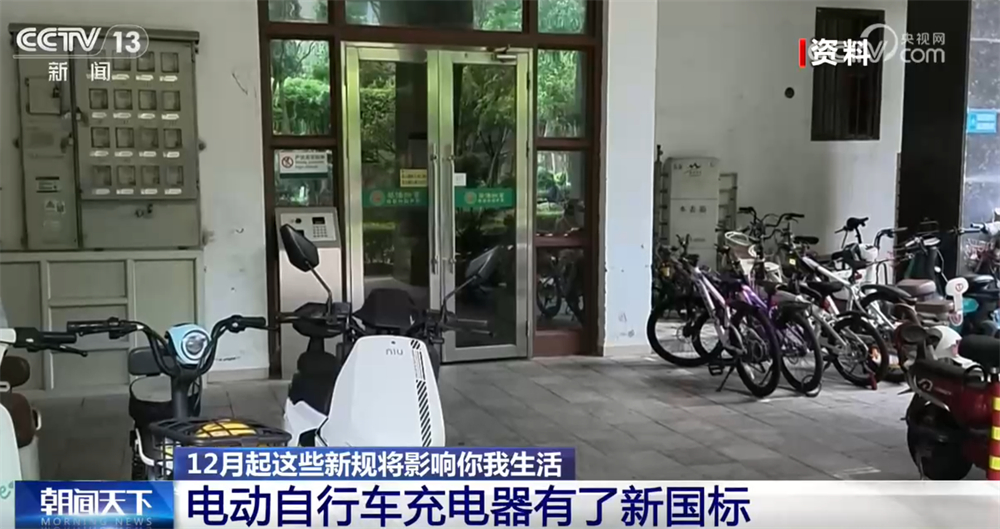
A new national standard for electric bicycle chargers adds wireless charging requirements for the first time. Compared with the 2018 version, it also strengthens the requirements for wired charging interfaces and communication protocols and adds environmental and electromagnetic compatibility criteria.
Under rules issued by the State Administration for Market Regulation, merchants selling designated industrial products on online platforms must clearly and accurately display the product name, specifications and model, applicable standard number, necessary warnings, and the producer’s name and address on the sales page.
Revised cosmetics inspection and quarantine rules will end filing requirements for import consignees and for manufacturers of cosmetics for export. They will also remove the requirement to store cosmetics at designated or approved sites, end special requirements for cosmetics being imported for the first time, and expand the range of imported cosmetics samples eligible for exemption from inspection.