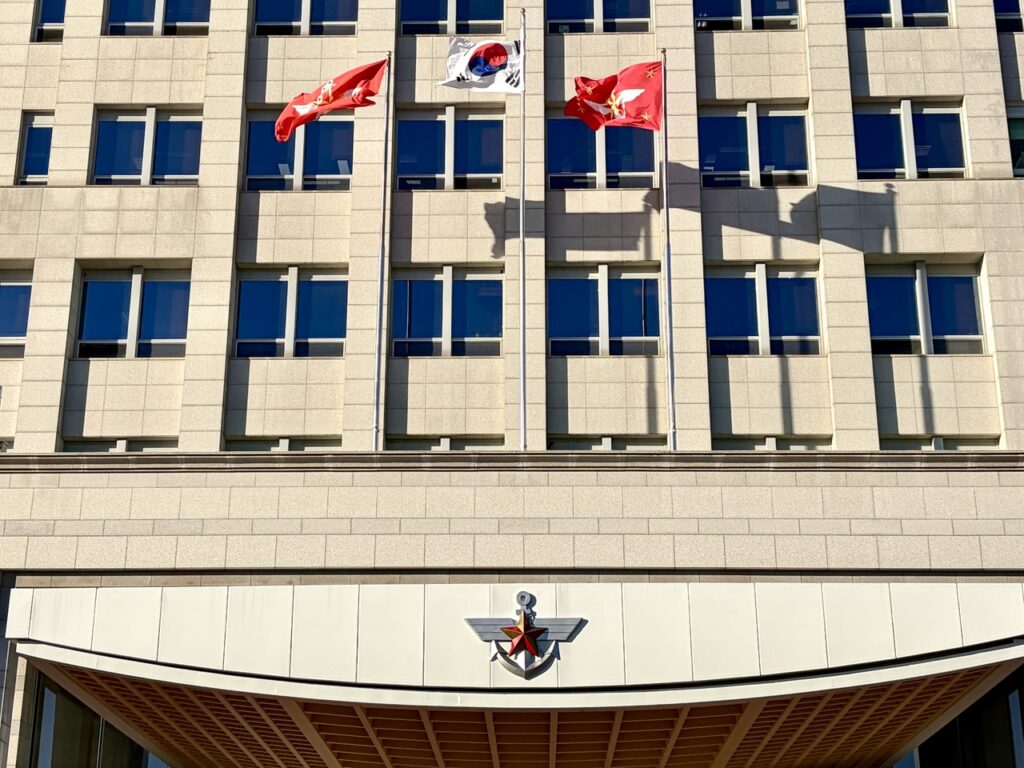
South Korea’s Defense Ministry said on Nov. 20, 2026, that it would review US procedures for handling sensitive military information after a former US Forces Korea commander challenged the defense minister’s assessment of progress toward transferring wartime operational control, or OPCON.
The ministry said the results of joint assessments of the transfer conditions are classified South Korea–US military information requiring protection comparable to each country’s military secrets. It said it would take appropriate measures, if necessary, in close consultation with Washington.
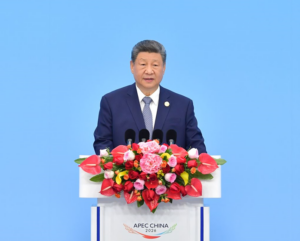
Defense Minister Kang Shin-chul told a National Assembly budget committee on Nov. 12 that all three conditions for the transfer had been met. Former USFK commander Robert Abrams disputed that assessment in an interview with local media on Nov. 18, saying information he received during a September visit to South Korea led him to believe not all three conditions had been met. The Lee administration aims to complete the transfer before Lee’s term ends in 2030.
Rep. Jin Sung-joon, who chairs the National Assembly’s National Defense Committee, questioned on Nov. 19 what authority former USFK commanders had to receive briefings on South Korean and US military secrets. He called on the ministry to establish who provided the information and under what procedures and legal authority. He also sought a formal report to the National Assembly on the full operational capability assessment, behind closed doors if necessary.
The ministry said it had complied strictly with classified-information protection requirements. An official familiar with USFK procedures said retired US officers may remain eligible for security clearance and receive classified information if properly authorized; such access would not necessarily be a violation. USFK had not immediately responded to a request for comment at the time of the report.
Another former USFK commander, Vincent Brooks, had also questioned the minister’s assessment on Nov. 13. The ministry said Kang’s remarks were intended to emphasize the allies’ deterrence capabilities and defense posture. It added that South Korea had developed much of the capability and infrastructure needed for the transfer over two decades, while consultations with the US continued on certain remaining capabilities.